Car Camping 101: Expert Tips for Better Sleep, Smarter Packing, and Smoother Trips
Car camping is one of the most accessible ways to experience the outdoors. You do not need to carry everything on your back, and you have the luxury of bringing a little extra comfort. Yet, turning a vehicle into a reliable mobile base camp requires more than just tossing bags in the trunk.
Whether you are a weekend warrior or planning a cross-country road trip, this guide covers the four pillars of successful car camping: sleep setup, packing strategy, campsite comfort, and roadtrip planning. Apply these practices, and your next outing will feel less like a scramble and more like a seamless outdoor retreat.
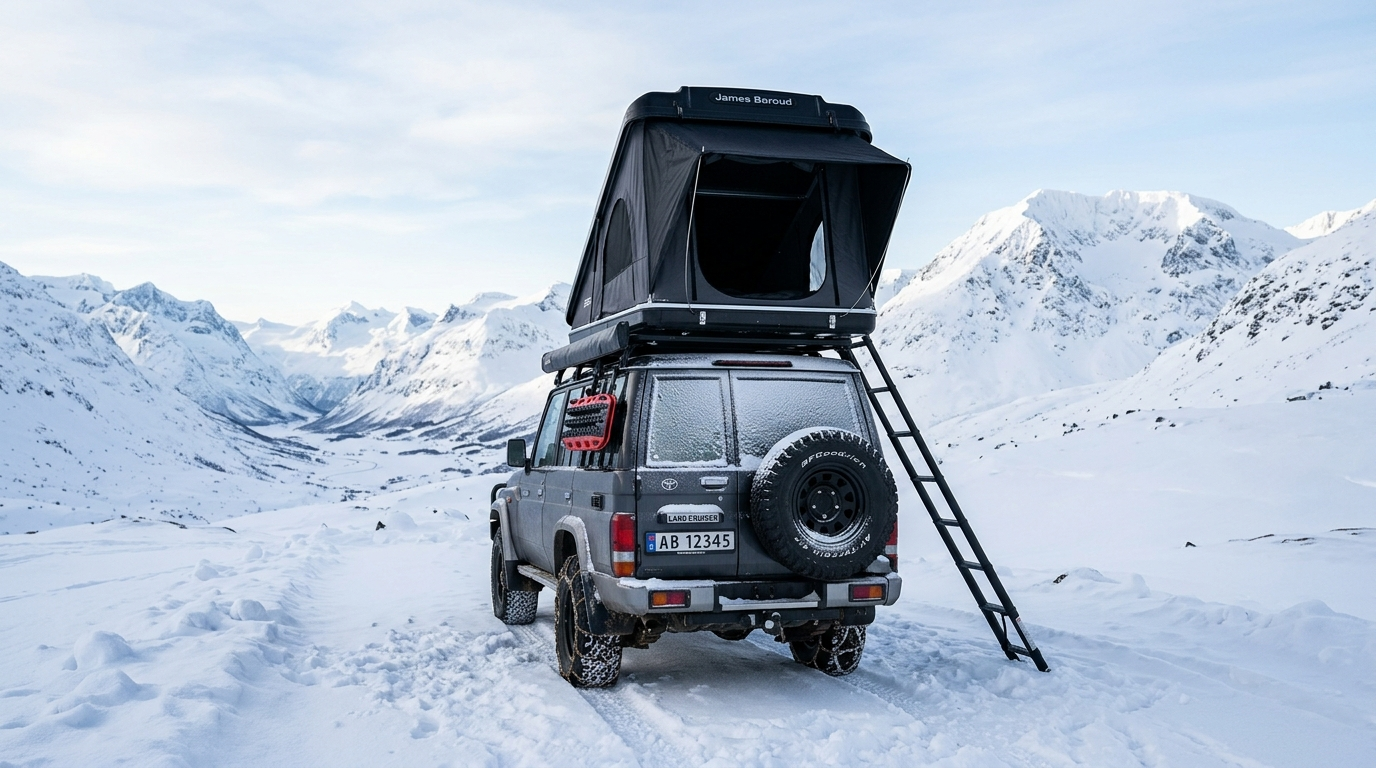
1. Sleep Setup: The Foundation of Rest
A good night of sleep dictates the entire trip. If you wake up stiff, cold, or exhausted, nothing else matters. Here is how to dial in your elevated bedroom.
Find True Level Ground
Even a slight slope will cause you to slide all night. Park your nose uphill if possible, and use a carpenters level or phone app to check side-to-side tilt. If the ground is uneven, place leveling blocks under the tires rather than stuffing gear under your mattress, which creates pressure points.
Match Your Pad to the Season
The mattress or sleeping pad is your primary barrier against the cold ground. Look for the R-value rating:
- Summer/Warm Nights: R-value of 2 to 4 is sufficient
- Spring/Fall/High Altitude: Aim for R-value 5 to 7
- Winter/Freezing Conditions: Use R-value 8 and above
Inflatable pads sleep softer, but closed-cell foam or self-inflating hybrids rarely fail in the middle of the night. Always carry a repair patch kit.
Prevent Condensation Buildup
Temperature swings create moisture inside vehicles. Keep a small gap between windows for cross-ventilation, even in cool weather. Use moisture-wicking liners over your mattress, and never sleep in damp clothes. Leave a breathable mesh window cracked to allow humid breath to escape.
The Pillow & Pillow Trick
Pack a dedicated camping pillow or use a stuff sack filled with soft clothes. Keep your sleeping bag rolled out during the day so insulation can rebound. Before bed, warm your bag with hot water bottles or pre-layer clothing so you are not fighting to raise the temperature once the stars come out.
2. Packing Strategy: Smart, Organized, Accessible
Packing a car is a spatial puzzle. The goal is to keep weight balanced, gear protected, and essentials within arm’s reach.
Use the Last-In, First-Out (LIFO) Rule
What you need tonight should be loaded last. What you need in emergencies should be packed first, but always kept in an external bin or near the trunk opening.
- Bottom Layer: Camp chairs, tools, recovery gear, heavy bins
- Middle Layer: Kitchen supplies, food coolers, firewood
- Top Layer: Sleeping gear, clothing layers, toiletries, next-day snacks
- External/Quick Access: Headlamp, first aid kit, weather layers, water bottles, map, phone charger
Build Functional Zones
Divide your car into four clear zones:
- Sleep Zone: Mattress, bags, pillows, earplugs, sleep mask
- Kitchen Zone: Stove, cookware, spices, coolers, trash bags
- Camp Gear Zone: Chairs, table, lanterns, tarps, multi-tool
- Driver/Emergency Zone: Documents, tire kit, jumper cables, spare keys
Respect Weight Distribution
Heavy items belong low and centered, ideally between or just behind the front seats. Roof-mounted weight changes handling and fuel efficiency dramatically. Keep roof racks light and only use them for bulky, low-density items like gear bins or recovery boards.
The Two-Bin System
Pack everything into clear or labeled plastic bins. One bin stays inside the vehicle permanently as a “go kit” with essentials. The second bin rotates based on your trip’s specific needs. This saves packing time and prevents forgotten items.
3. Campsite Comfort: Turning a Patch of Dirt into Home
A comfortable campsite is not about luxury. It is about workflow, wind management, and clean boundaries.
Site Selection Checklist
- Ground Drainage: Avoid dry riverbeds or obvious depressions where water pools
- Wind Protection: Park with your vehicle’s broad side blocking the prevailing wind
- Sun & Shade: Morning sun dries condensation; afternoon shade keeps interiors cool
- Tree Hazards: Look up for dead branches or heavy limbs that could fall in a storm
- Leave No Trace: Camp at least 200 feet from water sources and stay on established surfaces
Deploy a Ground Tarp System
Lay a waterproof tarp under your car and tent area. It protects your undercarriage from sharp rocks, keeps gear dry, and gives you a clean place to drop shoes and coolers. Use a second smaller tarp as a designated cooking/dining area.
Lighting Without the Glare
Lighting should be functional, not blinding. Use a three-layer approach:
- Overhead Ambient: LED lantern hung from a branch or awning (warm color, low lumen)
- Task Lighting: Headlamp or magnetic work light clipped to the stove or prep table
- Navigation/Path: Motion sensor stake lights or dim string lights around the camp perimeter
Always point lights downward to preserve night vision and respect neighboring campsites.
Kitchen & Hygiene Workflow
- Set up cookware on a stable, foldable table at chest height to save your back
- Anchor your trash bags under the table or use a bear-resistant container
- Keep a foot bath or damp towel at the tent entrance to wipe mud before sleeping
- Pack wet wipes, biodegradable soap, a small hand towel, and a toothbrush kit in a hanging dry bag
4. Roadtrip Planning: The Journey Before the Destination
The most beautiful campsites often require the most intentional planning. A solid itinerary balances structure with flexibility.
Vehicle Preparation
Never skip the pre-trip inspection:
- Tire pressure (including spare) and tread depth
- Brake pads and fluid levels
- Oil, coolant, washer fluid, and battery terminals
- Wiper blades and full-size spare tire with proper jack
Carry a tire inflator, basic mechanic tools, and a recovery strap rated for your vehicle weight.
Route Research & Contingencies
- Identify fuel stops at least 150 miles apart in remote areas
- Download offline maps and carry a paper backup for critical turns
- Check cell coverage gaps and note alternate routes
- Research dispersed camping rules, fire restrictions, and permit requirements
Weather & Seasonal Adjustments
- Check 10-day forecasts, but pack for the worst-case scenario
- In cold regions, keep a shovel, traction pads, and emergency blankets accessible
- In hot climates, bring battery-powered fans, reflective sun shades, and extra water
- Always have a rain plan: extra tarps, waterproof dry bags, and indoor tent games
The Flex Rule
Rigid itineraries lead to rushed driving and missed opportunities. Plan two base camps per day, then build buffer days for flat tires, unexpected storms, or hidden trailheads worth exploring. Campgrounds that book out months in advance rarely account for last-minute cancellations. Call ahead, check walk-in policies, or pivot to nearby national forest dispersed sites when possible.
Quick Reference: Car Camping Essentials Checklist
| Category | Must-Haves |
|---|---|
| Sleep | Insulated pad (R-value matched to season), sleeping bag rated 10 degrees below expected low, pillows, moisture liners |
| Pack | Clear storage bins, LIFO packing plan, roof weight under vehicle limits, labeled emergency kit |
| Comfort | Ground tarp, stable camp table, 3-layer lighting, foot wash station, trash management |
| Planning | Pre-trip mechanical check, offline + paper maps, weather backup plan, flexible itinerary buffer |
Final Thoughts
Car camping rewards preparation but thrives on adaptability. Start by dialing in your sleep system, then build your packing workflow around accessibility rather than volume. Treat campsite comfort as a series of small, repeatable habits, and never let a rigid schedule override safe, enjoyable driving.
The road will always throw variables your way. When your gear is organized, your vehicle is prepped, and your expectations are grounded in reality, those variables become stories instead of stress. Pack smart, leave the site better than you found it, and let the journey set the pace.